
En caso de que prefieres meditar suin comportarse, las juegos sobre mesa son lo suyo
April 21, 2026Find Prada Eyewear Online Hot Deal Active
April 22, 2026Where the Casa Blanca Brand Stands in the 2026 Premium Industry
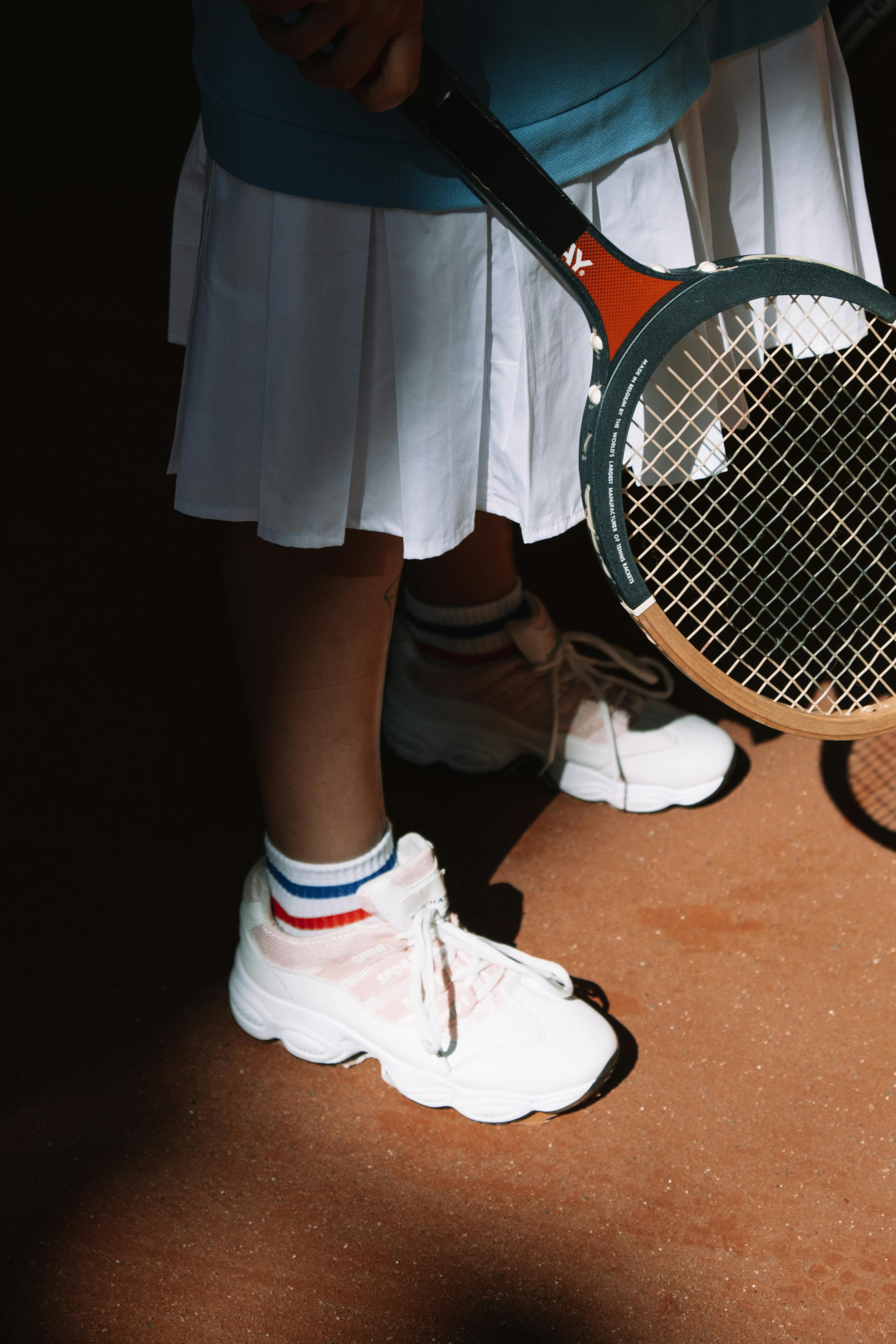
Although the spelling “Casa Blanca brand” is regularly entered by internet shoppers, it refers to the official Casablanca fashion house based in Paris and established by Charaf Tajer in 2018. In the saturated luxury landscape of 2026, Casablanca claims a defined and increasingly prominent space: modern luxury with strong narrative, superior materials and a design DNA anchored to tennis, exploration and leisure culture. The brand shows collections during Paris Fashion Week, sells through premium multi-label boutiques and department stores around the world, and positions its pieces in line with labels like Amiri, Jacquemus, Rhude and Palm Angels. This positioning places Casablanca higher than luxury streetwear but beneath established powerhouses like Louis Vuitton or Gucci, giving it space to expand while retaining the design control and allure that drive its growth. Knowing where the Casa Blanca brand fits in this structure is important for customers who aim to shop intelligently and appreciate the offering behind each purchase.
Defining the Core Audience
The standard Casablanca customer is a fashion-savvy individual between 22 and 42 years old who prizes individuality, exploration and cultural engagement. Many buyers operate in or adjacent to artistic industries—design, media, music, hospitality—and seek clothing that conveys taste and personality rather than status alone. However, the brand also draws in individuals in finance, tech and law who seek to set apart their non-work wardrobes with something more special than ordinary luxury basics. Women constitute a growing segment of the customer base, pulled toward the label’s flowing cuts, expressive prints and holiday-perfect mood. Geographically, the largest markets in 2026 include Western Europe, North America, the Middle East, Japan and South Korea, though online channels has grown recognition globally. A notable further audience comprises collectors and flippers who follow special drops and archive pieces, understanding the brand’s capacity for rise in value. This wide-ranging but consistent customer base provides Casablanca a wide revenue base while keeping the discover the advantages of casablanca sweatpants sense of scarcity and creative depth that won over its first fans.
Casa Blanca Brand Target Audience Profiles
| Group | Demographics | Motivation | Go-To Categories |
|---|---|---|---|
| Cultural professionals | 25–40 | Originality | Silk shirts, knitwear, prints |
| High-end street fans | 18–35 | Hype | Hoodies, track sets, caps |
| Holiday and travel shoppers | 28–45 | Holiday wardrobe | Shorts, shirts, accessories |
| Collectors and flippers | 20–38 | Value growth | Past prints, collaborations |
| Female customers | 22–42 | Expression | Dresses, skirts, silk pieces |
Price Tier and Value Narrative
Casablanca’s pricing reflects its place as a current luxury house that prioritises design, fabric quality and limited production over mass-market distribution. In 2026, T-shirts most often retail between 200 and 350 dollars, hoodies and sweatshirts between 400 and 700 dollars, silk shirts between 700 and 1 200 dollars, knitwear between 450 and 900 dollars, and outerwear between 800 and 2 000 dollars according to intricacy and materials. Accessories like caps, scarves and mini bags span 100 to 500 dollars. These prices are generally comparable to labels like Amiri and Rhude but can be more affordable than some Jacquemus or Off-White pieces at the upper end. What justifies the investment for many customers is the combination of bespoke artwork, superior fabrication and a unified brand story that makes each piece appear intentional rather than generic. Aftermarket values for in-demand prints and limited drops can exceed initial retail, which bolsters the view of Casablanca as a wise investment rather than a shrinking expense. Customers who assess cost per wear—factoring in how often they really wear a piece—frequently find that a flexible silk shirt or knit from Casablanca offers strong value regardless of its retail price.
Retail Plan and Physical Network
The Casa Blanca brand operates a deliberate placement model designed to preserve cachet and guard against brand dilution. The principal DTC channel is the brand’s website, which offers the whole range of present collections, limited drops and timed sales. A flagship store in Paris functions as both a retail space and a brand experience centre, and pop-up locations launch occasionally in cities like London, New York, Milan and Tokyo during fashion weeks and design events. On the multi-brand side, Casablanca partners with a curated network of luxury retailers including SSENSE, Mr Porter, Farfetch, Browns, Dover Street Market and selected department stores such as Selfridges, Neiman Marcus and Isetan. This controlled distribution confirms that the brand is stocked to genuine shoppers without reaching every discount outlet or fast-fashion aggregator. In 2026, Casablanca is reportedly expanding its physical presence with permanent stores in two new cities and deeper focus in its e-commerce experience, adding online try-on features and improved size help. For customers, this implies expanding ease of shopping without the ubiquity that can diminish luxury cachet.
Brand Positioning Versus Competitors
Knowing the Casa Blanca brand’s positioning requires contrasting it with the labels it most frequently sits next to in premium stores and editorial editorials. Jacquemus offers a related French luxury pedigree but moves more toward minimalism and muted palettes, rendering the two brands complementary rather than rival. Amiri offers a edgier, rock-influenced California vibe that speaks to a distinct mood. Rhude and Palm Angels inhabit the luxury streetwear space with logo-laden designs that touch on some of Casablanca’s informal pieces but miss the vacation and tennis story. What separates Casablanca apart from all of these is its unwavering investment in artistic prints, colour saturation and a distinct spirit of joy and resort life. No other label in the modern luxury tier has built its whole identity around tennis and sport and Mediterranean travel with the same commitment and steadiness. This singular identity provides Casablanca a protected DNA that is hard for rivals to imitate, which in turn reinforces sustained brand strength and premium power.
The Function of Partnerships and Capsule Editions
Collaborations and limited-edition releases perform a key purpose in the Casa Blanca brand’s identity. By teaming up with athletic companies, design institutions and design brands, Casablanca presents itself to new audiences while sparking fan anticipation among loyal fans. These capsules are usually produced in restricted quantities and include dual-brand prints or limited shades that are not found in regular collections. In 2026, joint-venture pieces have emerged as some of the most coveted items on the resale market, with certain releases trading above initial retail within a week of going live. For the brand, this strategy creates media attention, drives traffic to websites and strengthens the narrative of scarcity and allure without undermining the regular collection. For customers, collaborations offer a opportunity to own special pieces that occupy the crossroads of two cultural worlds.
Strategic View and Customer Guide
For shoppers thinking about how the Casa Blanca brand complements their own aesthetic universe in 2026, the label’s positioning points to a few considered strategies. If you prefer a wardrobe focused on rich hues, pattern and leisure character, Casablanca can serve as a key provider for signature pieces that define outfits. If your style is subtler, one or two Casablanca pieces—a knit, a shirt or an accessory—can inject personality into a understated wardrobe without changing your full closet. Collectors and collectors should watch rare prints and collab releases, which traditionally keep or outperform their retail value on the secondary market. Regardless of strategy, the brand’s investment in quality, narrative and selective distribution supports a customer interaction that feels deliberate and gratifying. As the luxury market evolves, labels that combine both emotional resonance and real quality are poised to outlast those that bank on virality alone. Casablanca’s positioning in 2026 signals that it is designing for longevity rather than momentary hype, establishing it a brand meriting monitoring and investing in for the long haul. For the current pricing and range, visit the main Casablanca website or view selections on Mr Porter.
